Dafaf: A Film Programme on South Lebanon
Works and cinematic attempts at documentation, representation, and resistance.
About the program
A selection of films and images that have intersected, across different times and places, with the question of South Lebanon, understood as a geography formed at the meeting point of land, the emergence of borders, sovereignty, and memory. Through works and cinematic attempts at documentation, representation, and resistance, the programme revisits the transformations of place and the traces of wars, occupation, and displacement, along with the images and memory that daily life leaves behind, exceeding any reduction of the South to a single narrative.
From here, the programme departs from a historical and philosophical question about how war makes a place. The selected films do not search for the moment of war alone, but for the long time that surrounds it: for villages, roads, borders, and homes; for bodies that bear the marks of displacement; for the land as an archive; and for a memory that does not always coincide with official narratives.
Distance is not merely a geographical matter; it also entails a way of organising the world and arranging relations between the centre and the various margins. In this context, South Lebanon has been one of the places where questions of land, borders, sovereignty, and memory have been most intensely concentrated over a century of political and military transformations. From the demarcation of modern borders, through wars, occupations, displacement, and the transformations that followed, the South has remained a space where the maps of states and of memory intersect, and where forms of violence succeed one another without interrupting the daily life that resists reducing the place to a single military history.
First Day: The Giver of Freedom (1987) / Qais Al-Zubaidi
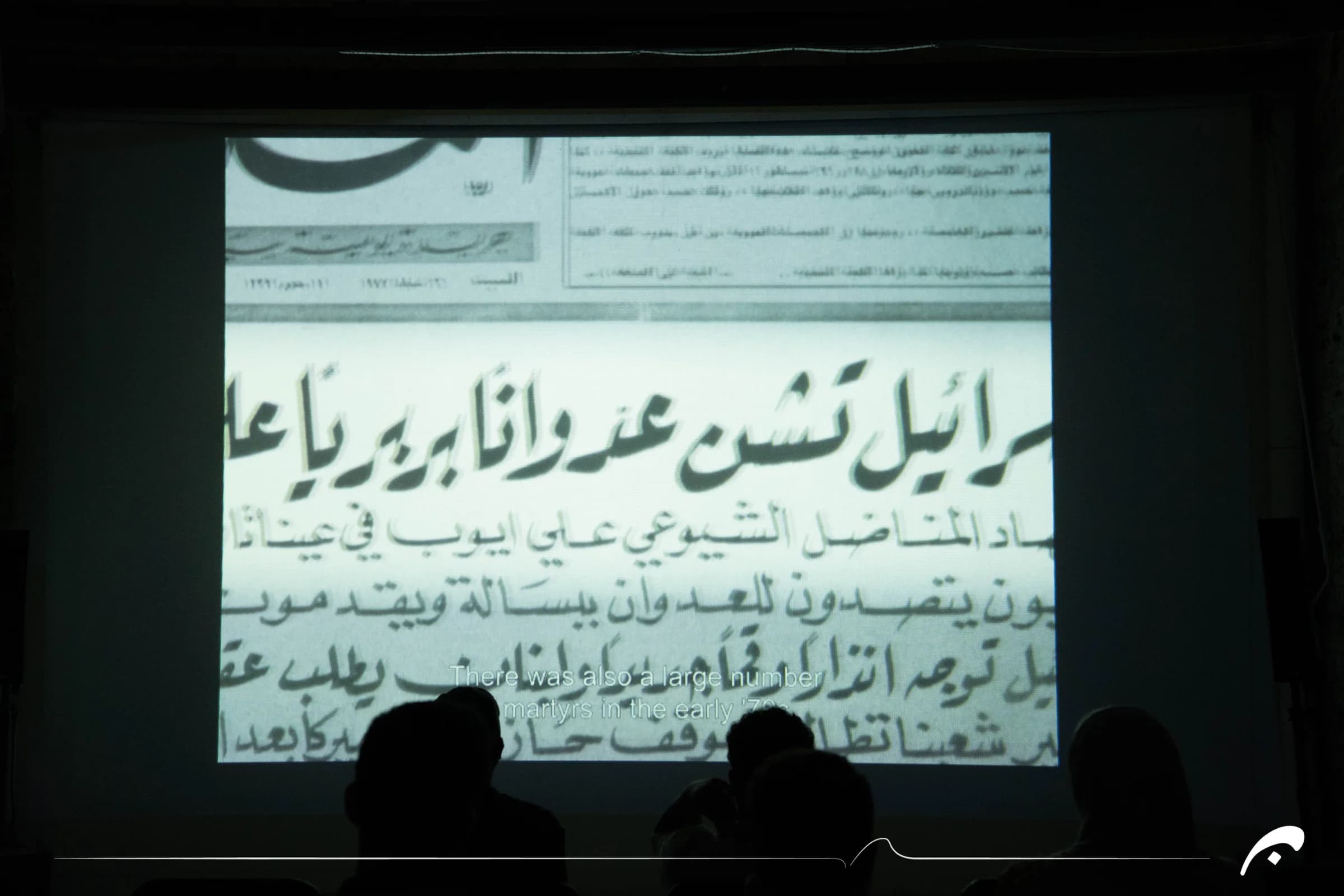
The film traces the forms of Lebanese and Palestinian resistance waged by various political factions against the Israeli occupation of Lebanon. With the departure of the Palestinian resistance from Lebanon in 1982, the film follows the rise of the Lebanese resistance in Beirut and its later spread across the country, up to the Intifada in Palestine. It draws on a varied audiovisual archive, including rare photographs and scenes from cinema films, set alongside music and songs by Marcel Khalife and Ziad Rahbani's well-known song "If He Stands in the South, He Stands with His Children," performed here by the artist Sami Hawat.
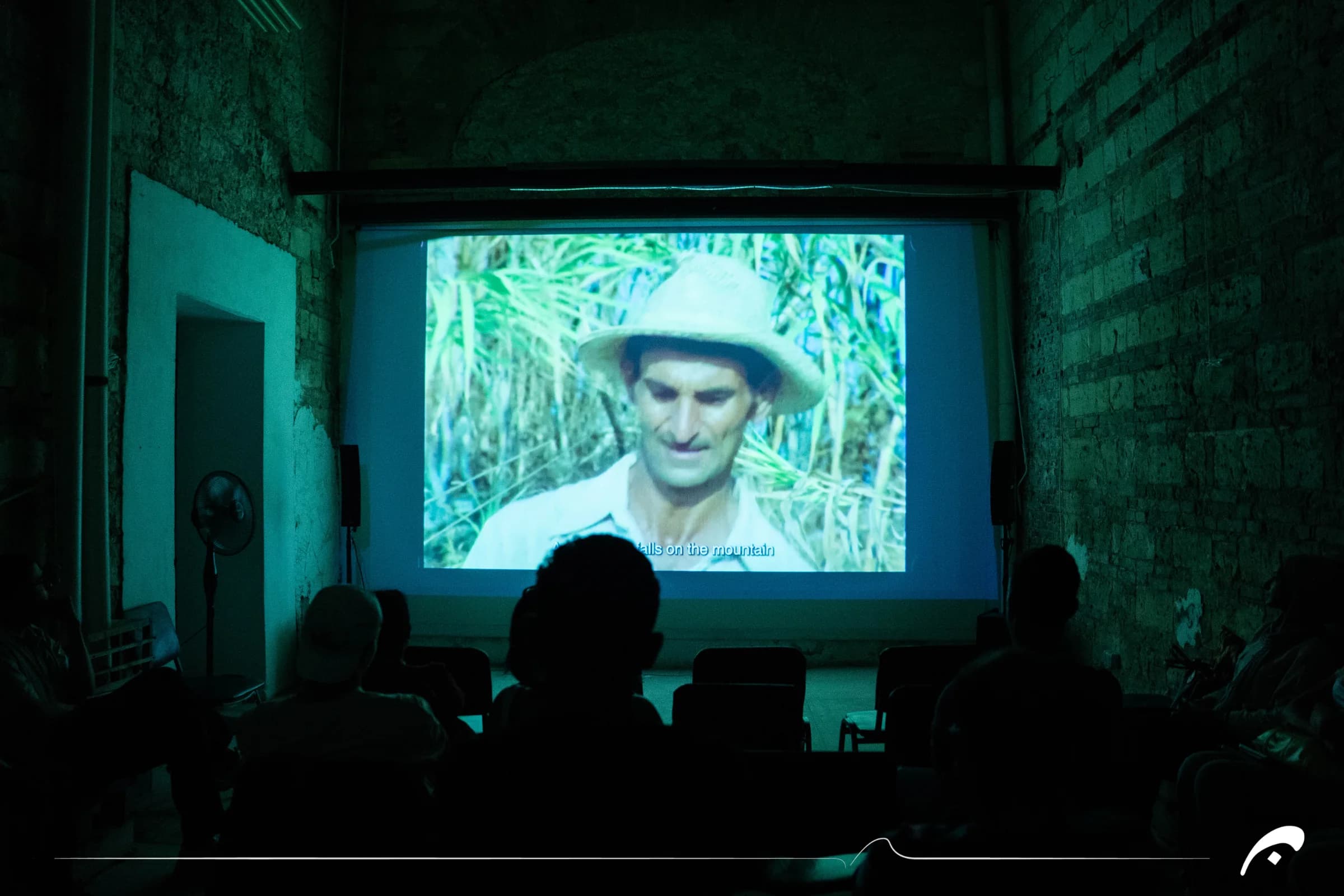
Second Day: All of Us for the Homeland (1979) / Maroun Bagdadi
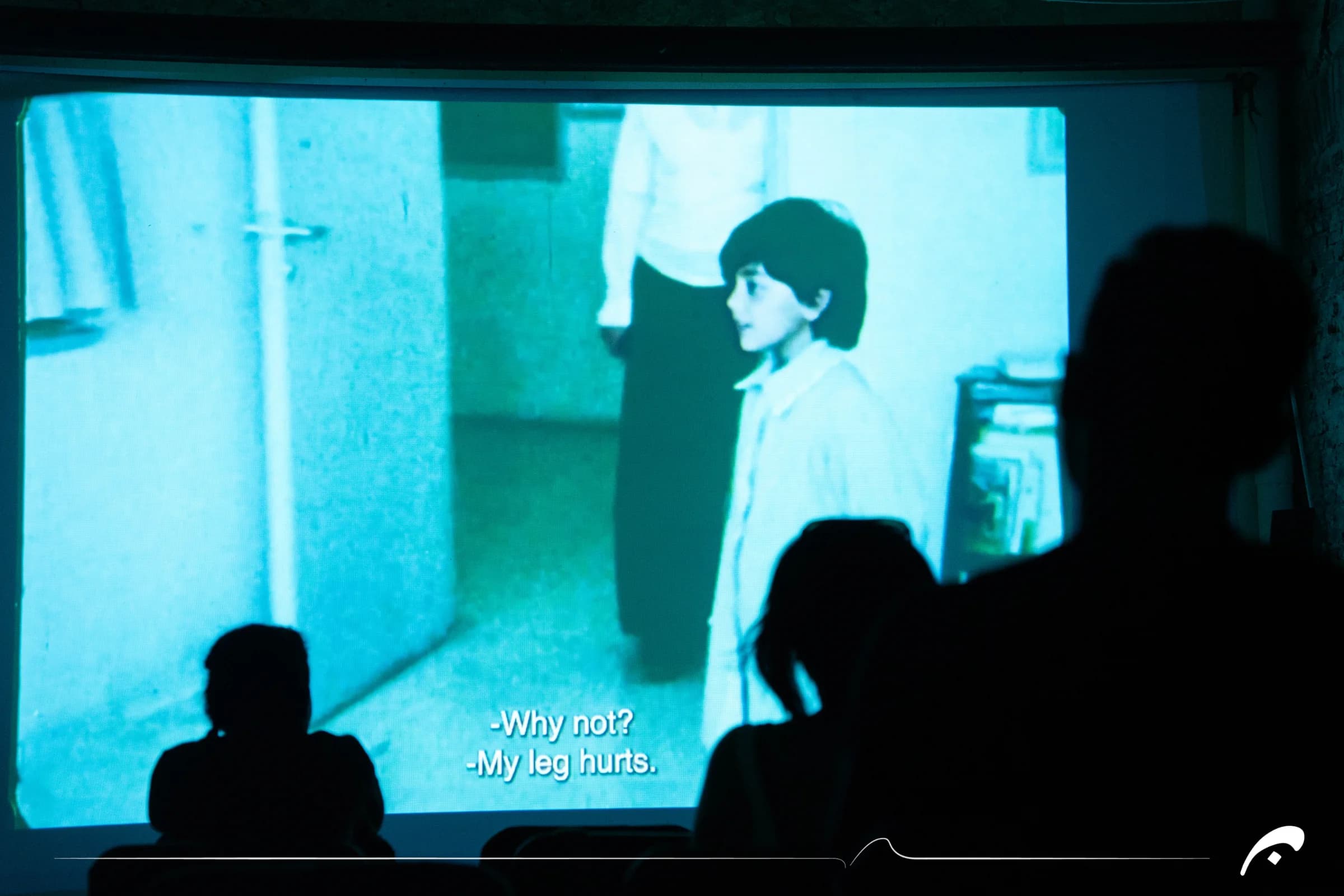
A satirical film about children who, in the midst of war, try to recite the Lebanese national anthem, intercut with scenes of war and destruction. It is also a film about the Israeli invasion of Lebanon in 1978, featuring interviews with figures from the South and ordinary citizens.
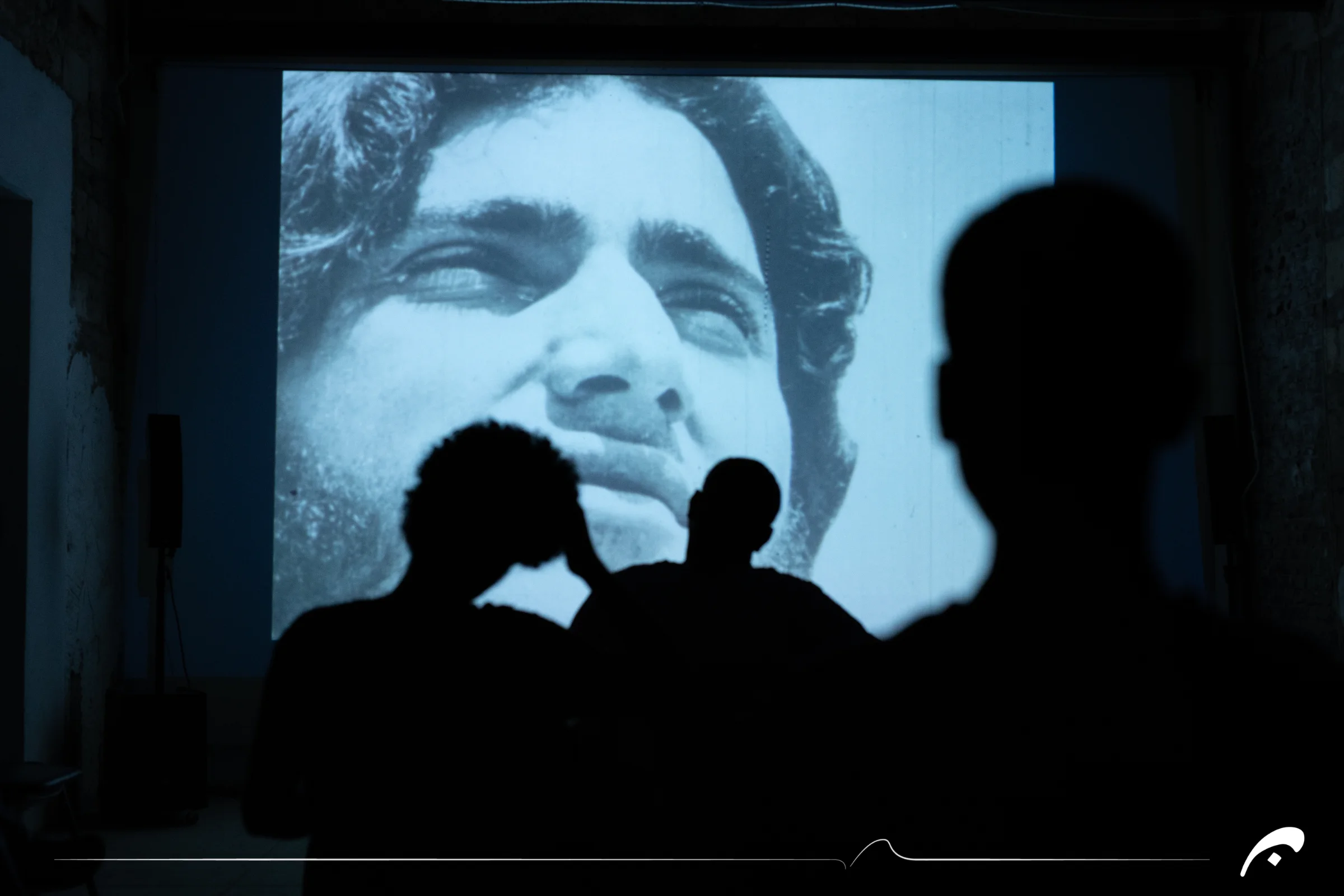
Third Day: Rafic Hajjar
The Palestinians' May (1972) / Rafic Hajjar Between the memory of the Nakba and the struggles of the working class, Rafic Hajjar revisits a film about the Palestinian resistance and the events of May in Lebanon, where the national cause intersects with class struggle, and cinema becomes a witness to a time in which land, labour, and resistance overlap. United Rifles (1974) / Rafic Hajjar In the camp and on the front, between Lebanon and Palestine, Rafic Hajjar's camera captures a moment in which resistance takes shape as a collective act, during the battles of the May events of 1973 in Lebanon. It is an image of a revolution searching for its unity, not in the rifle alone, but in the gathering of bodies, memory, and image. This film has not been screened for at least thirty years.
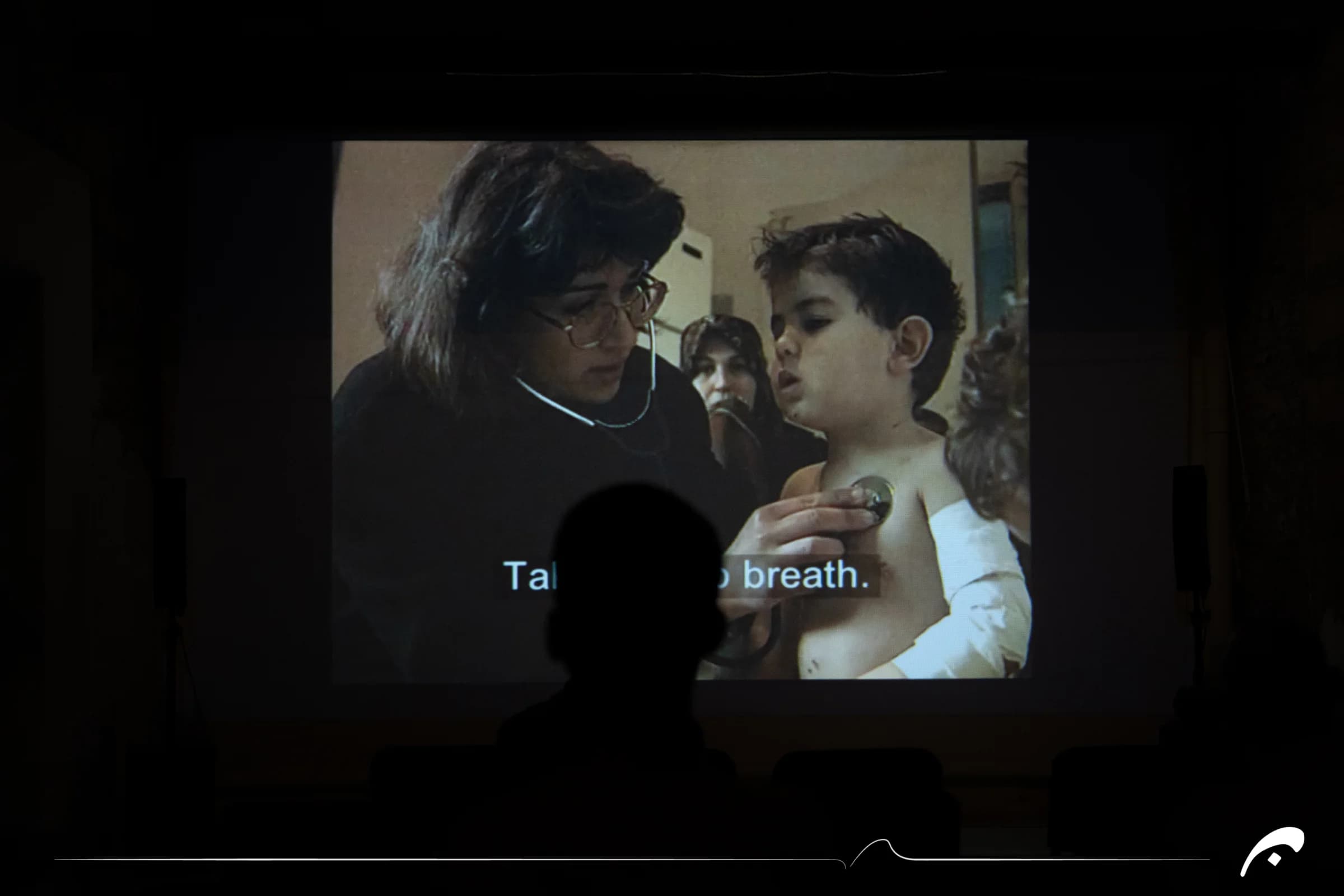
Fourth Day: Hostage of Waiting (1994) / Jean Chamoun
The film tells the story of a woman doctor in South Lebanon. Through her experience, we live the daily reality of the villages bordering the zone occupied by Israel. We come to know the dangers faced by the people of the South in these villages, and their aspirations and dreams of rebuilding their lives.